
Cannabis may offer symptom relief for people with Parkinson’s disease, particularly for tremors, pain, sleep disturbances, and anxiety—but more rigorous research is needed to confirm its safety and efficacy.
Introduction
Parkinson’s disease (PD) is a progressive neurodegenerative disorder that affects movement, mood, and various bodily functions. It is characterized by the loss of dopamine-producing neurons in the brain, leading to symptoms such as tremors, rigidity, bradykinesia (slowness of movement), and postural instability. Non-motor symptoms—like sleep disturbances, anxiety, depression, and cognitive impairment—also significantly impact quality of life.
While conventional medications such as levodopa and dopamine agonists are the mainstay of treatment, they often become less effective over time or cause side effects. This has led many patients and researchers to explore alternative therapies, including medical cannabis. With the legalization of medical marijuana in many states and countries, interest in its therapeutic potential for Parkinson’s has surged.
Understanding the Endocannabinoid System
The potential benefits of cannabis in PD are largely attributed to its interaction with the endocannabinoid system (ECS), a complex network of receptors (CB1 and CB2), endogenous cannabinoids (endocannabinoids), and enzymes that regulate mood, pain, appetite, sleep, and motor control. The ECS plays a role in maintaining homeostasis in the body, and its dysfunction has been implicated in various neurological disorders, including Parkinson’s.
Cannabinoids—chemical compounds found in cannabis—mimic the body’s endocannabinoids and bind to ECS receptors. The two most studied cannabinoids are tetrahydrocannabinol (THC), which has psychoactive properties, and cannabidiol (CBD), which is non-intoxicating and has anti-inflammatory and anxiolytic effects.
Symptom Relief: What the Research Says
Although large-scale, double-blind, placebo-controlled trials are limited, several smaller studies and anecdotal reports suggest that cannabis may help alleviate both motor and non-motor symptoms of Parkinson’s.
1. Tremors and Motor Control
One of the hallmark symptoms of PD is resting tremor. Some studies have shown that CBD-rich cannabis may reduce tremors and improve motor function. A 2014 observational study in Israel found that patients who smoked cannabis experienced significant improvement in tremors, rigidity, and bradykinesia within 30 minutes of use. However, these findings are preliminary and need validation through larger trials.
2. Pain and Muscle Stiffness
Chronic pain and muscle rigidity are common in PD. Cannabis, particularly strains with a balanced THC:CBD ratio, has been reported to ease muscle stiffness and reduce pain perception. Cannabinoids may modulate pain through both central and peripheral mechanisms, including anti-inflammatory effects and altered pain signaling.
3. Sleep Disturbances
Sleep dysfunction affects up to 90% of people with PD. Cannabis may improve sleep quality by reducing anxiety, pain, and nocturnal movement disorders. Some patients report falling asleep more easily and experiencing fewer nighttime awakenings after using cannabis. However, the long-term impact on sleep architecture remains unclear.
4. Anxiety and Depression
Mood disorders are prevalent in PD and can be as debilitating as motor symptoms. CBD has shown promise in reducing anxiety and depressive symptoms without the psychoactive effects of THC. Its interaction with serotonin receptors may underlie these benefits. In small studies, patients using CBD reported improved mood and reduced anxiety.
5. Neuroprotection
There is growing interest in the neuroprotective potential of cannabinoids. Preclinical studies suggest that CBD and other cannabinoids may reduce oxidative stress, inflammation, and excitotoxicity—factors that contribute to neuronal death in PD. While this raises the possibility that cannabis could slow disease progression, human studies are still lacking.
6. Bladder Function
Some patients with PD experience urinary urgency and incontinence. Emerging evidence suggests that cannabis may help improve bladder control, possibly by modulating the neural pathways involved in urinary function.
Risks and Considerations
Despite these potential benefits, cannabis is not without risks—especially for individuals with Parkinson’s.
-
Cognitive Impairment: PD already affects executive function, and cannabis—particularly THC—can exacerbate issues with memory, attention, and judgment.
-
Dizziness and Balance Issues: Cannabis may increase the risk of falls by impairing coordination and causing orthostatic hypotension (a drop in blood pressure when standing).
-
Mood and Behavioral Changes: In some cases, cannabis can trigger paranoia, hallucinations, or mood swings, particularly in older adults or those with cognitive decline.
-
Drug Interactions: Cannabis may interact with PD medications, altering their effectiveness or side effect profile. Patients should consult their neurologist before starting cannabis therapy.
Legal and Regulatory Landscape
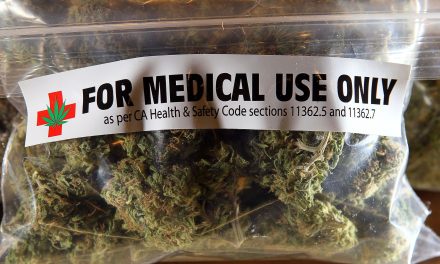
As of 2025, medical marijuana is legal in 38 U.S. states and Washington, D.C., though regulations vary. Some states require physician certification, while others allow over-the-counter access to cannabis-derived products like CBD oil. However, under federal law, cannabis remains a Schedule I substance, complicating research and access.
Forms of Cannabis for PD
Patients exploring cannabis for PD have several options:
-
Inhalation (smoking or vaping): Offers rapid onset but may irritate the lungs.
-
Edibles: Provide longer-lasting effects but have delayed onset and are harder to dose.
-
Tinctures and Oils: Allow for precise dosing and are discreet.
-
Topicals: May help with localized pain or stiffness but don’t enter the bloodstream.
The ideal formulation often depends on the symptom being targeted. For example, CBD-dominant oils may be better for anxiety and sleep, while balanced THC:CBD products may help with pain and rigidity.
Patient Perspectives
Many people with Parkinson’s report subjective improvements in quality of life after using cannabis. In surveys conducted by the Parkinson’s Foundation and other advocacy groups, patients cited benefits such as reduced tremors, better sleep, and improved mood. However, they also expressed frustration over inconsistent product quality, lack of guidance from healthcare providers, and legal barriers.
The Need for More Research
While anecdotal evidence is promising, the scientific community emphasizes the need for more rigorous studies. Most existing research is based on small sample sizes, lacks placebo controls, or relies on self-reported outcomes. To establish cannabis as a standard treatment for PD, large-scale clinical trials are essential.
Key research priorities include:
-
Identifying optimal cannabinoid ratios and dosages
-
Understanding long-term safety and side effects
-
Clarifying interactions with standard PD medications
-
Exploring neuroprotective mechanisms
Conclusion
Cannabis holds potential as a complementary therapy for managing Parkinson’s disease symptoms, particularly in areas where conventional treatments fall short. Its ability to reduce tremors, pain, anxiety, and sleep disturbances makes it an appealing option for many patients. However, the lack of robust clinical evidence and the potential for adverse effects—especially in older adults—warrants caution.
Patients considering cannabis should consult with their healthcare provider, start with low doses, and monitor their response closely. As legalization expands and research progresses, we may gain a clearer understanding of how to safely and effectively integrate cannabis into Parkinson’s care.