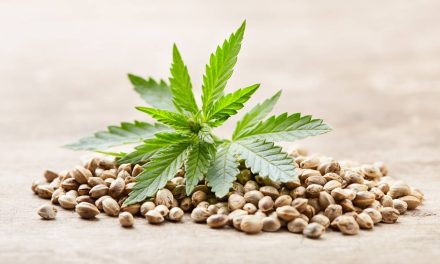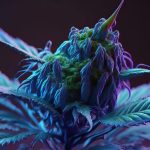
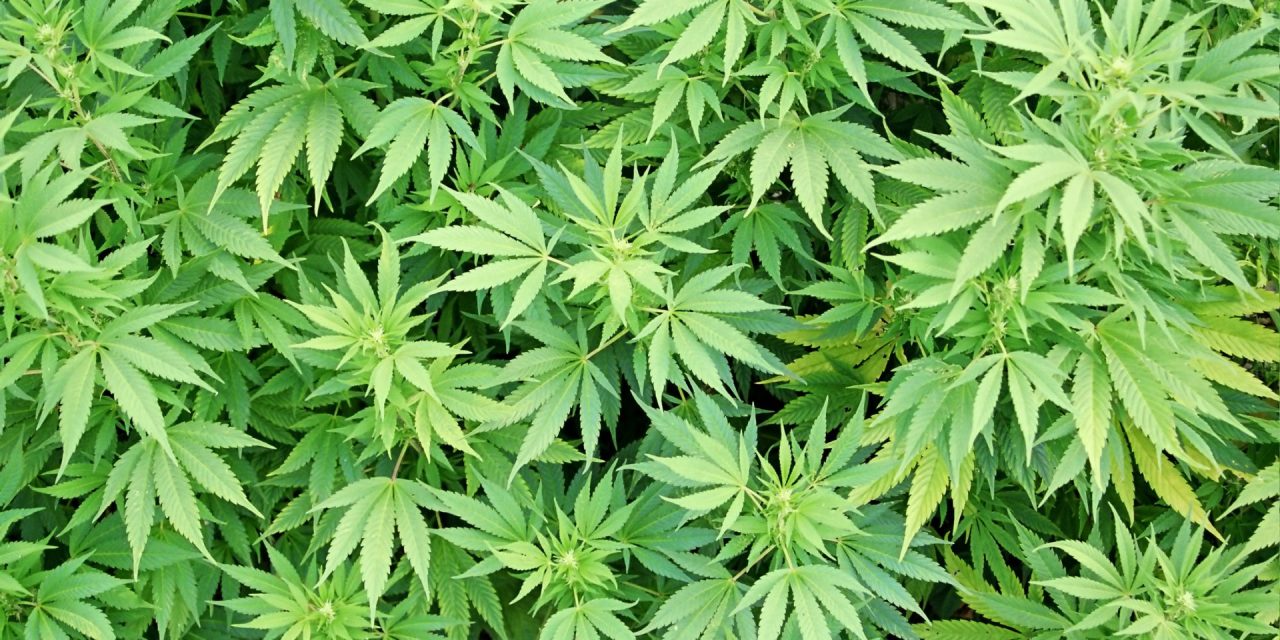
Cannabis, also known as marijuana, is a plant from the genus Cannabis, which includes species like Cannabis sativa, Cannabis indica, and Cannabis ruderalis. It has been used for thousands of years for various purposes, including medicinal, recreational, and industrial uses.
Key Components
- THC (Tetrahydrocannabinol): The primary psychoactive compound in cannabis that produces the “high” sensation.
- CBD (Cannabidiol): A non-psychoactive compound known for its potential therapeutic benefits, such as reducing anxiety and inflammation.
- Terpenes: Aromatic compounds that contribute to the plant’s scent and may have therapeutic effects.
Uses of Cannabis
- Medicinal: Cannabis is used to alleviate symptoms of various medical conditions, such as chronic pain, epilepsy, and multiple sclerosis. It can be consumed in various forms, including oils, tinctures, edibles, and vaporizers.
- Recreational: Many people use cannabis for its psychoactive effects, which can include relaxation, euphoria, and altered sensory perceptions.
- Industrial: Hemp, a variety of Cannabis sativa, is used in the production of textiles, paper, biofuel, and building materials.
Legal Status
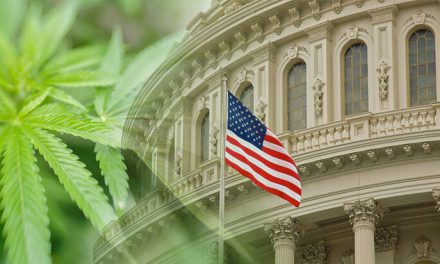
The legality of cannabis varies widely around the world. Some countries and states have legalized it for medicinal and/or recreational use, while others maintain strict prohibitions.
Consumption Methods
- Smoking: The most traditional method, involving the inhalation of smoke from burning cannabis flowers.
- Vaporizing: Heating cannabis to release its active compounds without combustion, reducing the intake of harmful byproducts.
- Edibles: Cannabis-infused foods and beverages, which provide a longer-lasting effect but take longer to onset.
- Topicals: Creams and balms infused with cannabis, used for localized relief of pain and inflammation.
Potential Effects
- Positive: Euphoria, relaxation, increased appetite, and pain relief.
- Negative: Anxiety, paranoia, impaired memory, and coordination issues.
Cannabis has a rich history and a complex relationship with society, science, and law. Its potential benefits and risks continue to be the subject of ongoing research and debate.