Growing cannabis indoors offers numerous advantages, such as control over the growing environment, protection from pests, and the ability to cultivate year-round. However, one critical aspect that often gets overlooked is the importance of air exchange and fresh air. Proper air circulation is essential for maintaining a healthy growing environment, promoting robust plant growth, and maximizing yields. In this guide, we’ll explore why air exchange and fresh air are vital for indoor cannabis cultivation and how to achieve optimal air circulation in your grow space.

Why Air Exchange and Fresh Air Matter
- Carbon Dioxide (CO2) Supply:
- Photosynthesis: Cannabis plants, like all green plants, rely on photosynthesis to convert light energy into chemical energy. During this process, plants absorb carbon dioxide (CO2) from the air and use it to produce glucose and oxygen. Adequate CO2 levels are crucial for efficient photosynthesis and healthy plant growth.
- Growth and Yield: Insufficient CO2 levels can limit the rate of photosynthesis, leading to stunted growth and reduced yields. Fresh air ensures a constant supply of CO2, promoting vigorous growth and higher yields.
- Temperature Regulation:
- Heat Dissipation: Grow lights, especially high-intensity discharge (HID) and LED lights, generate heat that can raise the temperature in your grow space. Proper air exchange helps dissipate this heat, preventing temperature spikes that can stress your plants.
- Optimal Temperature Range: Maintaining an optimal temperature range (70-85°F or 21-29°C) is essential for cannabis growth. Fresh air helps regulate temperature, ensuring your plants remain within this ideal range.
- Humidity Control:
- Preventing Mold and Mildew: High humidity levels can create a breeding ground for mold and mildew, which can damage your plants and reduce yields. Proper air exchange helps control humidity levels, reducing the risk of mold and mildew.
- Transpiration: Cannabis plants release water vapor through a process called transpiration. Fresh air helps remove excess moisture from the grow space, maintaining a balanced humidity level (40-60%) that supports healthy plant growth.
- Oxygen Supply:
- Root Health: Cannabis roots require oxygen to absorb nutrients and water effectively. Stagnant air can lead to oxygen depletion in the root zone, causing root rot and nutrient deficiencies. Fresh air ensures a steady supply of oxygen to the roots, promoting healthy root development.
- Respiration: Plants also undergo respiration, a process in which they consume oxygen and release CO2. Adequate air exchange ensures that oxygen levels remain sufficient for respiration, supporting overall plant health.
- Pest and Disease Prevention:
- Airborne Pathogens: Stagnant air can harbor airborne pathogens, such as mold spores and bacteria, that can infect your plants. Proper air circulation helps disperse these pathogens, reducing the risk of infections.
- Pest Deterrence: Good air circulation can also deter pests like spider mites and fungus gnats, which thrive in stagnant, humid environments. Fresh air creates a less hospitable environment for these pests, helping to keep your plants pest-free.
Achieving Optimal Air Exchange and Fresh Air
- Ventilation Systems:
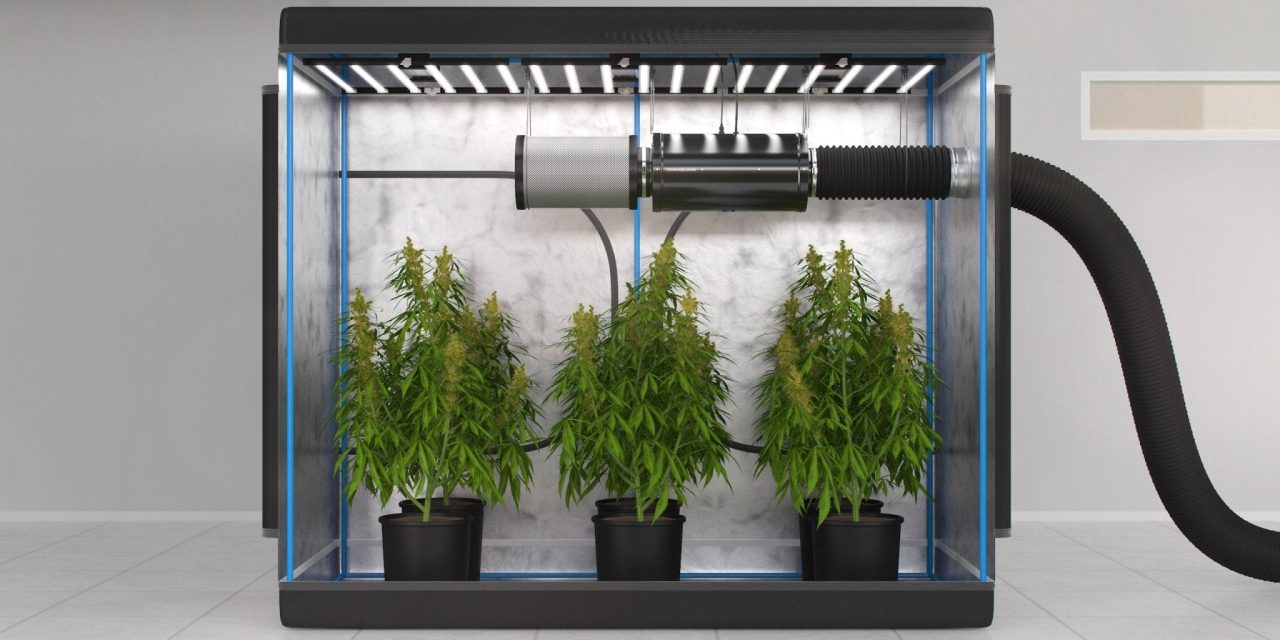
- Exhaust Fans: Installing exhaust fans is one of the most effective ways to ensure proper air exchange. These fans remove stale air from the grow space and replace it with fresh air from outside. Position the exhaust fan near the top of the grow space, where hot air tends to accumulate.
- Intake Fans: Intake fans draw fresh air into the grow space, ensuring a constant supply of CO2 and oxygen. Place the intake fan near the bottom of the grow space to create a natural airflow pattern that mimics outdoor conditions.
- Air Circulation Fans:
- Oscillating Fans: Oscillating fans help distribute air evenly throughout the grow space, preventing hot spots and ensuring consistent temperature and humidity levels. Position these fans to create a gentle breeze that reaches all parts of the grow space.
- Clip-On Fans: Clip-on fans are ideal for small grow spaces or specific areas that need additional airflow. Use these fans to target areas with poor air circulation or high humidity.
- Carbon Filters:
- Odor Control: Carbon filters are essential for controlling odors in indoor grow spaces. These filters remove volatile organic compounds (VOCs) and other odor-causing particles from the air, ensuring that your grow space remains discreet.
- Air Purification: Carbon filters also help purify the air by removing dust, mold spores, and other contaminants. This contributes to a healthier growing environment and reduces the risk of plant infections.
- Environmental Controllers:
- Temperature and Humidity Controllers: Environmental controllers allow you to monitor and adjust temperature and humidity levels in your grow space. These devices can automate ventilation systems, ensuring that your plants receive optimal conditions at all times.
- CO2 Controllers: CO2 controllers regulate the release of supplemental CO2 in your grow space, maintaining ideal CO2 levels for photosynthesis. These devices can be integrated with ventilation systems to ensure efficient CO2 distribution.
- Grow Tent Ventilation:
- Passive Ventilation: Many grow tents come with built-in passive ventilation ports that allow fresh air to enter and stale air to exit. Ensure that these ports are open and unobstructed to facilitate natural airflow.
- Active Ventilation: For larger grow tents or more intensive setups, consider using active ventilation systems with exhaust and intake fans. This ensures consistent air exchange and optimal growing conditions.
Common Challenges and Solutions
- Heat Management:
- Challenge: High-intensity grow lights can generate excessive heat, raising the temperature in your grow space.
- Solution: Use exhaust fans to remove hot air and intake fans to bring in cool, fresh air. Consider using air-cooled reflectors or LED lights, which produce less heat.
- Humidity Control:
- Challenge: High humidity levels can lead to mold and mildew growth.
- Solution: Use dehumidifiers to remove excess moisture from the air. Ensure proper air circulation with oscillating fans and maintain a balanced humidity level.
- Odor Control:
- Challenge: Cannabis plants can produce strong odors that may be noticeable outside the grow space.
- Solution: Install carbon filters in your ventilation system to remove odor-causing particles. Ensure that your grow space is well-sealed to prevent odors from escaping.
- CO2 Levels:
- Challenge: Insufficient CO2 levels can limit plant growth and yield.
- Solution: Ensure proper air exchange with exhaust and intake fans. Consider using CO2 supplementation if natural CO2 levels are inadequate.
Conclusion
Proper air exchange and fresh air are essential for maintaining a healthy indoor cannabis growing environment. By ensuring a constant supply of CO2, regulating temperature and humidity, providing oxygen to the roots, and preventing pests and diseases, you can promote robust plant growth and maximize yields. Investing in a well-designed ventilation system, using air circulation fans, and monitoring environmental conditions will help you achieve optimal results in your indoor cannabis cultivation.